Choosing the right air conditioner for your home isn’t just about picking a trusted brand or the highest SEER rating. One of the most critical factors in comfort, efficiency, and long-term performance is proper sizing. An air conditioner that’s too large or too small for your home can lead to problems like inconsistent temperatures, high energy bills, and premature system failure.
Here’s why correct sizing matters and how HVAC professionals determine the ideal fit for your home when you get AC installation in Orlando, FL.
If you’ve got an aging air conditioner, you may already have realized that it’s not as efficient as it once was. Maintenance, performed by a qualified professional once a year, can keep AC efficiency pretty steady for quite a while. But eventually, even that won’t be enough to prevent the efficiency of your air conditioner from dropping.
Here’s something you might not have known, though: today’s efficient air conditioners are far and away more efficient than even the top-of-the-line systems were when you bought your last air conditioner. Not just more efficient than those air conditioners are now—more efficient than they were when they were brand-new. How are these new high-efficiency air conditioners able to save so much energy? We’ll tell you!
Your air conditioner runs your home comfort. Without it, you would be lost–as any of us would be. But the problem is that your air conditioner uses up a lot of energy. In fact, it might be the biggest contributor to your increasing energy bills.
If you don’t know how efficient your air conditioning system is right now, a new air conditioning installation in Orlando, FL might be a good idea. A brand new, more energy-efficient air conditioner has a lot of benefits for your home and your wallet. Let’s talk about those now.
Are you in the market for a new air conditioner? Well, you can always get in touch with one of our team members to talk about the right budget, preferences, and system that would fit your home. But it can always be helpful to start off doing your own research into the various different cooling systems on the market and how each one differs from the other.
This blog post is going to discuss one of the lesser-known AC models out there, the inverter air conditioner. While these systems aren’t as expensive and comprehensive as a heat pump, they’re more affordable and one of the more energy-efficient models we install. If a central air conditioner is still your model of choice, then at least give us a chance in describing how inverter air conditioners work, and why they might be great for you.
Air conditioning isn’t really a luxury anymore. But with how expensive some air conditioner models can be, they’re not really classified as a necessity either. They exist in the same place as cars do, being necessary for some people and luxuries for others.
For us in Orlando, air conditioners provide so many amazing benefits for the cost to run them that they’re almost always worth the cost. We challenge anyone out there to find a homeowner who has purchased an air conditioner and hasn’t run it at all for an entire summer.
So, this blog post is going to talk about three specific reasons why a residential air conditioner is a good purchase for even homes on tight budgets. With systems reaching new efficiency levels each year, you could keep your home cool and comfortable for a reasonable price, as long as you call a pro for AC installation in Orlando, FL!
Window unit air conditioners are probably the most common system we see used across the country. In the north they’re perfectly fine, since summertime isn’t very long or hot. A window unit to ensure everyone sleeps on a hot night is usually enough to make it through a summer heatwave.
However, where we live, it’s a lot harder to function in your day to day life without a central air conditioner or heat pump. Window units just don’t have the power or the capacity to be able to let you live your life in the space you need to. Especially for families that require a lot of space, where each kid or family member has their own room, you’ll quickly find that you need multiple window units.
Today, we’re going to make the case as to why your next AC installation in Orlando should be a central AC unit or a heat pump.
It’s March, which means that spring is finally here! Temperatures will soon be warming up and the flowers will be blooming, so for everyone in Florida that means one very important thing–we need to get our AC systems ready! For many homeowners it’s simple, you just need to take your AC cover off or set your thermostat to “cooling” mode when temperatures finally get too hot. But for many other homeowners, this part of the year raises a different question. How do you go about installing a new AC? The install process for a new air conditioning system involves several key steps, including selecting the right system, preparing the site, and ensuring all components are properly connected for optimal performance. Before starting HVAC installation, it is important to safely remove the old system, following proper safety protocols and disposal regulations. Necessary permits must be obtained to ensure compliance with local building codes. In Orlando, Florida, permits must be obtained before installing an HVAC unit to comply with local regulations.
Today, we’re going to talk about some factors that might change the way you investigate AC installation in Orlando, FL. There are all sorts of different cooling systems on the market these days, including central air, and it’s vital that you choose the right one for your home based on the size and layout of the room or rooms you want to cool. For example, a split system is a popular choice that consists of an indoor unit (containing the evaporator coil and air handler) and an outside unit (which houses the condenser and compressor), working together to provide efficient cooling. It’s also essential to have your hvac installation performed by a qualified hvac technician or licensed technicians to ensure compliance with local building codes and that your system operates efficiently. Most HVAC manufacturers void the warranty if the unit is not installed by a licensed and certified professional. Florida law requires that only licensed contractors can install, maintain, or repair HVAC systems. So, let’s discuss all you’d need to know for a new AC installation.
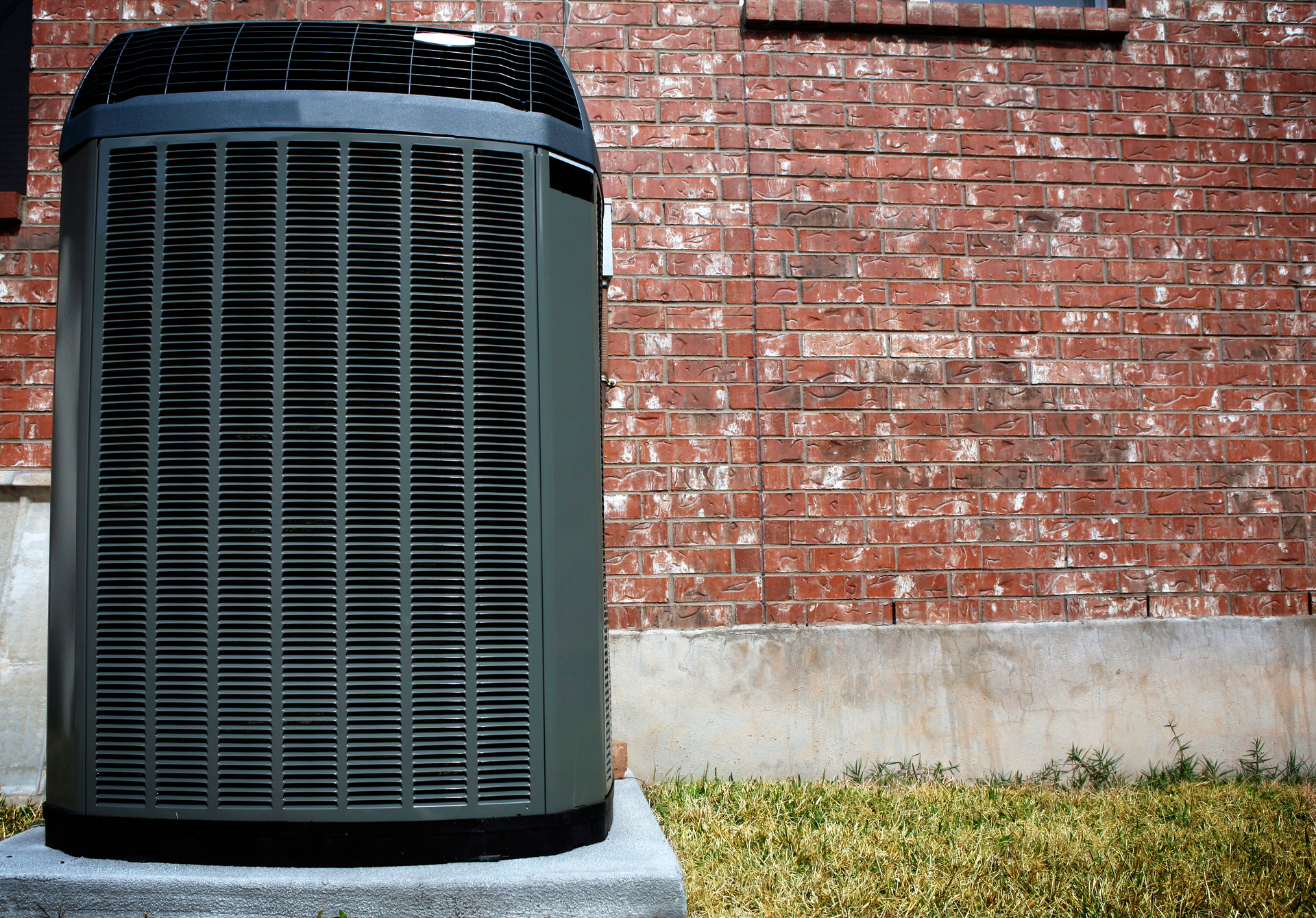
When preparing the site for installation, proper placement of the outside unit (condenser) is crucial. The condenser should be installed on a level pad with adequate airflow, away from windows and doors to minimize noise and ensure efficient operation.
How do you install a heating and air conditioning unit?
Determine the correct unit size using a professional load calculation
Prepare the installation area and inspect or modify ductwork if needed
Mount the indoor unit and place the outdoor condenser on a stable surface
Connect refrigerant lines, electrical wiring, and the thermostat
Charge the system, check for leaks, and test system performance
Adjust airflow and calibrate the thermostat for optimal comfort
Ensure installation meets all local building and safety codes
Pre-Installation Considerations
Before starting the installation of a new HVAC system, taking the time to plan and assess your home’s needs can make all the difference in how well your new air conditioner performs. One of the first steps is to evaluate your existing ductwork. Leaky or poorly insulated ducts can reduce efficiency and lead to uneven temperatures throughout your home. Ensuring your ductwork is in good condition will help your new system operate efficiently and deliver the comfort you expect. When integrating new components, the supply plenum plays a crucial role in ensuring a proper fit and protecting the evaporator coil, especially during installation. During the site evaluation, a technician inspects your home to assess the best placement for indoor and outdoor units. Additionally, the installation must be inspected by a local building official to ensure it meets all codes.
Another key factor is selecting the appropriate size for your air conditioning unit. An HVAC system that’s too large or too small for your space can result in inefficient operation, frequent repairs, and higher energy bills. Oversized units, in particular, can cause frequent cycling and reduced efficiency, making proper sizing essential for comfort and performance. A professional assessment will take into account your home’s square footage, layout, and unique cooling needs to recommend the right unit size for optimal performance. To accurately size your central AC unit, a contractor will complete an Air Conditioning Contractors of America Manual J load calculation. During new system installation, trained technicians ensure that all equipment matches the home’s heating and cooling needs in terms of capacity and efficiency.
It’s also important to consider your home’s overall energy efficiency. Factors like insulation, window quality, and even construction materials can impact how hard your new system has to work. Addressing these areas before installation can help maximize efficiency, reduce energy consumption, and lead to significant savings over time. Homeowners can save up to 20% on heating and cooling costs by replacing a system that is more than 10 years old with a higher efficiency model. Replacing an HVAC system can lead to significant savings on energy bills, with potential reductions of up to 20% for air conditioners and 15% for furnaces over 15 years old. For even greater efficiency and system compatibility, it is often beneficial to replace the furnace or gas furnace at the same time as the air conditioner.
By carefully evaluating your existing ductwork, ensuring proper sizing, and improving your home’s energy efficiency, you’ll set the stage for a smooth installation process and a cooling system that keeps your home comfortable for years to come. During testing and startup, professionals confirm that the system operates correctly and safely. When connecting the indoor and outdoor units, proper installation of the line set is essential to ensure a leak-free and efficient system.
Understanding Air Handler Components
The air handler is the heart of your HVAC system, working behind the scenes to circulate heated or cooled air throughout your home. It houses essential components like the fan, coil, and housing, all of which play a vital role in ensuring your air conditioner or heat pump delivers consistent comfort. When planning an HVAC installation, understanding the air handler’s function is key to making sure your system operates efficiently and keeps energy bills in check.
A properly sized and matched air handler will work seamlessly with your existing ductwork and the rest of your HVAC system, whether you’re installing a new air conditioner or upgrading to a heat pump. Choosing the right air handler means considering factors such as efficiency ratings, compatibility with your current system, and the specific heating and cooling needs of your home. A well-designed air handler not only boosts efficiency but can also improve indoor air quality by filtering out dust and allergens as air circulates.
During installation, your HVAC technician will ensure the air handler is correctly integrated with your ductwork and other system components. This attention to detail helps your system run smoothly, reduces the risk of breakdowns, and can even extend the lifespan of your HVAC equipment. By understanding the role of the air handler and selecting the right one for your installation, you’ll enjoy reliable comfort and energy savings for years to come.
Existing Ductwork Evaluation
A thorough evaluation of your existing ductwork is a crucial step in the HVAC installation process. Over time, ducts can develop leaks, become damaged, or lose insulation, all of which can compromise the efficiency of your new system. Before installation begins, HVAC technicians will inspect your ductwork to ensure proper airflow and identify any issues that could impact performance.
This process involves checking for air leaks, blockages, and signs of wear that could reduce efficiency or lead to uneven temperatures in your home. If your existing ductwork is in good condition, it can often be reused, saving you time and money. However, if significant problems are found, installing new ductwork may be necessary to ensure your system operates at peak efficiency.
Properly sealed and insulated ducts are essential for maintaining energy efficiency and preventing moisture buildup, which can lead to mold or other issues. By addressing ductwork concerns during the installation process, you’ll help your new HVAC system deliver consistent comfort, lower energy bills, and reduce the need for future repairs.
Other areas of the country run brisk, seasonal sprints with their air conditioners. For us, we run a marathon!
Stressed-out air conditioners are pretty common because of how frequently we use them. At this point, the air conditioning system is just another member of the family with how much we rely on it. If you’ve got a problem with your AC unit and you’ve just recently noticed it, we’re here to remind you that you can always call us for support.
However, an old and stressed-out system could need to be replaced by a new AC installation in Orlando, FL. Only a consultation with a professional will give you the answers you’re looking for.
For now, let’s talk about three common problems that old, outdated, or stressed-out AC systems run into. We’ll discuss why these problems are so bad and what you can do about them.
There are a lot of words going around these days from ductless air conditioners, to heat pumps, and for homeowners that haven’t purchased a new air conditioner in a while, it can be pretty overwhelming. There are many types of air conditioning systems available, each with different features, efficiency levels, and installation requirements. After all, you’re most-likely way too busy to spend hours of your day searching for the best, most efficient cooling system to invest in.
Thankfully, we can give you the lowdown in a quick read. When choosing a system, there are several important factors to consider, such as energy efficiency, system size, and your budget. The cost, price, and range of different air conditioning installation systems can vary widely, some options may be cheaper upfront but could have trade-offs in efficiency or longevity. Don’t worry about having to web search every HVAC glossary term you come across; we explain how each of these systems works and what the benefit would be to your home. For example, brands like Gary Munson Heating & Air Conditioning are known for their reliability and efficiency, making them a popular choice among homeowners. Upgrading to a new ac unit, new system, or new unit can provide better performance, improved energy savings, and access to the latest features. Each air conditioner installation in Orlando, FL offers complete solutions with unique advantages, and we’d like to spell those advantages out clearly so that you’re more informed when you purchase your system.
How to Choose the Right Air Conditioner for Your Home
Calculate the correct size system based on your home’s square footage, insulation, ceiling height, and sun exposure
Select the right system type such as central air, heat pump, or ductless mini split based on your layout
Check the energy efficiency rating to reduce monthly utility costs
Consider indoor air quality features like humidity control and advanced filtration
Have a licensed professional perform a load calculation before installation
Review warranty coverage and long term maintenance requirements